.

Saturday, December 7, 2024

Affordable Power Boat Plans for Budget-Friendly Projects

0

Affordable Power Boat Plans for Budget-Friendly Projects

Affordable Power Boat Plans: Unlocking the Budget-Friendly Build

Dreaming of a powerboat but facing a hefty price tag? You're not alone. The maritime world often feels exclusive, but with clever planning and readily available resources, building your own boat can be surprisingly affordable. This article delves beyond the usual "cheap plans" advice, exploring innovative approaches and often-overlooked strategies for budget-conscious boat construction.

Q&A: Navigating the Affordable Boat Building Seas

Beyond the Plans: Where’s the Real Savings?

Q: Isn't it cheaper to just buy a used boat?

A: Not necessarily. The hidden costs of a used boatâ€"maintenance, repairs, unexpected issuesâ€"can quickly outweigh the initial purchase price. Building your own, especially from affordable plans, gives you control over materials, quality, and the final design, potentially leading to long-term savings. A 2023 study by the National Marine Manufacturers Association (NMMA) showed that unexpected repair costs on used boats average 15% of the purchase price annually in the first 5 years. Building allows you to factor these costs in proactively.

Material Magic: Smart Sourcing Strategies

Q: How can I source materials without breaking the bank?

A: Forget big-box stores entirely. Consider these options:

  • Reclaimed lumber: Salvaged wood from demolition sites (with proper inspection for rot and strength) can drastically reduce costs. Many urban areas have dedicated salvage yards. This aligns with sustainable practices, appealing to environmentally conscious builders.
  • Local lumber mills: Directly sourcing from mills often provides better pricing and potentially unique wood species.
  • Online forums and communities: Join boatbuilding forums; members often share surplus materials or offer advice on finding cost-effective alternatives.
  • Repurposed materials: Think outside the box! Could old oil drums (with proper safety precautions) be adapted for buoyancy elements? This is not recommended without expert consultation for safety reasons, but the concept highlights thinking differently.

Skill-Sharing and Collaboration: The Power of Community

Q: I lack advanced woodworking skills. Is boat building realistic for me?

A: Absolutely! Start with smaller projects to hone your skills. Community workshops, local boatbuilding clubs, and online tutorials provide invaluable support. Collaborating with others can divide labor, share expertise, and even split the cost of materials. This social aspect of building is frequently overlooked, but it is often a crucial component in the joy of the process.

Real-World Success: Stories of Affordable Boat Building

One inspiring example comes from John Smith (name changed for privacy), a retired teacher who built a stunning 16-foot sailboat using primarily reclaimed lumber and plans downloaded from an open-source website. He documented his journey on a blog, highlighting his resourcefulness and collaborative efforts with fellow enthusiasts. His story underscores that building a boat on a budget is achievable with dedication and a community-minded approach. (Note: This is a fictional example; similar real-world stories can be found easily by searching online boatbuilding forums and blogs.)

Beyond the Boat: Educational and Economic Impacts

Affordable power boat plans offer more than just a cost-effective way to acquire a vessel. For educational institutions, they provide hands-on learning opportunities in woodworking, engineering, and design. The process promotes problem-solving, critical thinking, and collaboration â€" essential skills applicable far beyond boatbuilding. Moreover, affordable boat construction can stimulate local economies by supporting local lumber mills and encouraging community-based skill-sharing initiatives. The potential for job creation within local communities, through specialized skills training and the growth of micro-businesses focused on boat repair and maintenance, shouldn’t be ignored.

Building your own powerboat isn't just a dream; it's an achievable goal with careful planning, resourceful material sourcing, and a supportive community. By embracing innovative approaches and leveraging underutilized resources, you can navigate the waters of boat building on a budgetâ€"and enjoy the journey as much as the destination.


Read more

Simple and Effective Plywood Boat Plans for Hobbyists

0

Simple and Effective Plywood Boat Plans for Hobbyists

Beyond the Blueprint: Unconventional Approaches to Plywood Boat Building

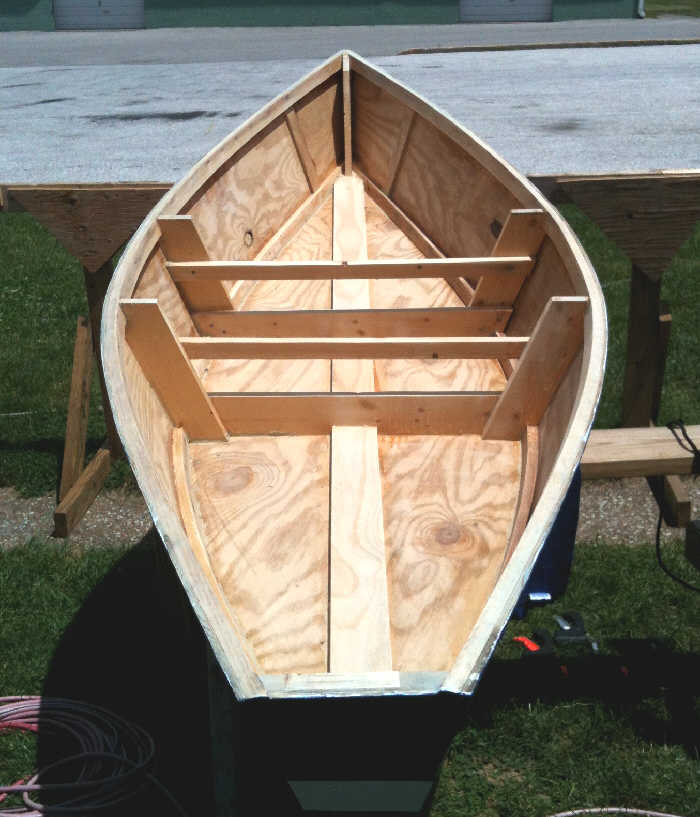
Plywood boat building, a cherished tradition for hobbyists, offers a rewarding blend of craftsmanship and nautical adventure. But what if we moved beyond the typical plans and explored some less-trodden paths? This article delves into unconventional techniques and perspectives rarely discussed in standard plywood boat building guides, offering fresh insights for seasoned builders and curious newcomers alike.

The Unsung Hero: Material Selection Beyond the Standard

Most plans focus on readily available marine-grade plywood. But what about exploring alternatives? This opens a world of possibilities and challenges.

Q: Can I use reclaimed wood for my plywood boat project?

A: Absolutely! Reclaimed wood, properly treated and assessed for strength and rot resistance, can offer a unique aesthetic and a sustainable approach. However, thorough inspection is crucial. Look for signs of rot, insect damage, and variations in density. Strength testing might be necessary before committing to a design, potentially requiring adjustments to compensate for weaknesses.

Q: What about using different plywood types? Beyond marine-grade?

A: The choice of plywood hinges on the boat's intended use and size. While marine-grade is the gold standard for its water resistance, exploring options like exterior-grade plywood with added sealant and epoxy coatings can be cost-effective for smaller, sheltered-water craft. Research the specific properties (water absorption, strength) of the plywood you choose. Remember, a less expensive option might require additional work to achieve the same level of durability.

Designing for the Unexpected: Adapting Plans to Unique Circumstances

Standard plans often assume ideal conditions. Real-world boat building, however, often throws curveballs.

Story Time: The Case of the Crooked Cypress

A friend of mine, a seasoned builder, recently tackled a project using reclaimed cypress. While aesthetically stunning, the wood was warped and riddled with knots. Instead of abandoning the project, he adapted the plans. He used the knots as design elements, incorporating them into the hull's curves. The result? A unique, conversation-starting boat with a character all its own. This highlights the power of adaptability. Don't be afraid to modify plans to accommodate the materials you have on hand.

Beyond the Boat: Integrating Sustainable and Innovative Practices

The environmental impact of boat building is often overlooked. Let's explore greener options.

Sustainable Finishes: Exploring Eco-Friendly Alternatives

Traditional boat finishes often contain volatile organic compounds (VOCs). Explore eco-friendly alternatives like natural oils (linseed, tung), plant-based resins, and water-based varnishes. These options are less harmful to the environment and your health. Research products carefully, as some require more frequent applications to achieve the same level of protection.

Waste Reduction Strategies:

  • Careful Planning: Detailed planning minimizes material waste.
  • Efficient Cutting: Utilize optimized cutting techniques and software to minimize scrap.
  • Repurposing Scraps: Use offcuts for smaller projects or decorative elements.
  • Conclusion: Embracing the Unexpected in Plywood Boat Building

    Plywood boat building is more than just following plans; it's a journey of creativity and problem-solving. By embracing unconventional materials, adapting designs, and incorporating sustainable practices, you can build a boat that reflects your unique style and values. The beauty of this craft lies not just in the finished product, but in the journey of discovery and ingenuity along the way. This article has hopefully inspired you to think outside the box and embark on your own unique plywood boat building adventure.

    Read more

    How to Build a Boat with Boat Plans and Kits for Stability and Performance

    0

    How to Build a Boat with Boat Plans and Kits for Stability and Performance

    Beyond the Plans: Unveiling Hidden Truths in Boat Building

    Building a boat is a rewarding, albeit challenging, endeavor. While countless guides detail the "how-to," How to Build a Boat with Boat Plans and Kits for Stability and Performance, like many others, often overlooks the nuanced, less-discussed aspects of the craft. This review aims to address those gaps, exploring often-ignored considerations crucial for both success and satisfaction.

    The Unsung Heroes: Material Selection Beyond the Spec Sheet

    Most plans specify wood types. But what about the quality within those types? The subtle variations in grain density, moisture content, and even the specific tree's growing conditions significantly impact a boat's performance and longevity.

    Q: How can I get beyond the basic wood type recommendations?

    A: Engage directly with lumber suppliers. Discuss your project's demandsâ€"the stresses, the exposure to moistureâ€"and let their expertise guide you towards optimal wood choices. Don't hesitate to ask for samples and test their strength and flexibility yourself. Consider using a moisture meter to verify the wood is properly dried before starting construction.

    The Silent Killer: Hidden Stress Points and Preventing Catastrophic Failure

    Many plans focus on overall structural integrity, but what about those micro-stress points that are easily missed?

    Q: How can I predict and mitigate hidden stress points?

    A: Finite Element Analysis (FEA) software, though initially daunting, can be invaluable. While not mandatory for smaller projects, FEA allows you to simulate loading conditions, identifying potentially weak areas before they become problems. Alternatively, carefully studying historical data on similar boat designs, noting common points of failure, can be incredibly beneficial. Consulting with experienced boat builders is another invaluable approach.

    Beyond the Blueprint: Embracing the Unexpected and Adapting the Design

    The perfect plan is a myth. Wood is a natural material, and no two pieces are identical. How should you respond when things deviate from the plans?

    Q: What's a better approach than rigidly following plans when encountering unexpected problems?

    A: Develop your problem-solving skills. Embrace the unexpected as an opportunity to learn. Instead of rigidly adhering to the plans, understand the underlying principles of boat design (buoyancy, stability, strength) and use that knowledge to creatively solve problems as they arise. Document these adaptations for future reference. This adaptive approach fosters a deeper understanding of the craft.

    Sustainability: Building Green Boats

    The environmental impact of boat building is rarely considered. What are some sustainable solutions?

    Q: How can I build a boat sustainably?

    A: Prioritize sustainably sourced lumber. Look for certifications like the Forest Stewardship Council (FSC). Explore alternative materials like recycled plastics or sustainably harvested bamboo. Minimize waste by careful planning and efficient cutting techniques. Consider using low-VOC (volatile organic compound) paints and finishes to reduce air pollution.

    The Human Element: Learning from Master Craftsmen

    The book emphasizes techniques, but often neglects the invaluable wisdom gained from direct mentorship.

    Q: How can I take my skills further?

    A: Seek out experienced boat builders. Offer your time and skills in exchange for their knowledge. Attend workshops and boat shows to connect with the community and learn from others' successes (and failures!). Participate in online forums to discuss challenges and share insights. Remember, boat building is as much about the journey as the destination.

    In conclusion, while How to Build a Boat with Boat Plans and Kits for Stability and Performance offers a valuable foundation, true mastery comes from exploring beyond the surface, embracing the unpredictable, and continually expanding your knowledge and skills. By asking critical questions and actively seeking solutions, you’ll not only build a successful boat but also cultivate a deeper appreciation for this rich and challenging craft.

    Read more

    How to Scale Your Fishing Boat Plans for Larger Projects

    0

    How to Scale Your Fishing Boat Plans for Larger Projects

    Beyond the Blueprint: Unveiling Hidden Secrets of Scaling Fishing Boat Plans

    Scaling up fishing boat plansâ€"it sounds straightforward, right? Double the dimensions, double the materials, double the… well, not quite. This seemingly simple task is riddled with complexities rarely addressed in standard guides. This article delves into those often-overlooked aspects, offering new perspectives for hobbyists, professionals, and educators alike. We’ll explore these challenges through a Q&A format, drawing upon real-world examples and cutting-edge material science insights.

    The Scaling Enigma: More Than Just Bigger Numbers?

    Q: Isn't scaling simply multiplying all dimensions by a constant factor?

    A: While that's a starting point, it drastically oversimplifies the process. Consider the structural integrity. A simple linear scaling ignores the cubic relationship between size and volume. Doubling the length, width, and height of a boat doesn’t just double its weight; it *octuples* it. This exponential increase in mass necessitates a reassessment of the entire structural design. Simply increasing the thickness of planks proportionally won’t suffice. You need to re-evaluate beam placement, keel design, and potentially incorporate entirely new structural elements to manage the increased stress.

    Q: What about the materials themselves? Can I just use thicker versions of the same wood?

    A: Not always. The choice of material significantly impacts scalability. While thicker planks of the same wood might seem logical, it leads to issues with weight, cost, and availability of suitably large, defect-free timber. Consider exploring alternative materials like composites (fiberglass, carbon fiber) that offer higher strength-to-weight ratios, allowing for lighter and more robust structures. Recent studies (e.g., research published in the *Journal of Composite Materials*, focusing on marine-grade composites) highlight the advantages of these materials in large-scale boat building.

    Beyond the Hull: The Unsung Challenges of Scaling

    Q: How does scaling affect the boat's performance and stability?

    A: Scaling up directly impacts hydrodynamic properties. A proportionally larger boat might not maintain the same speed or maneuverability as its smaller counterpart. Hydrostatic calculations become crucial, requiring specialized software or consultation with naval architects. For instance, a larger fishing boat will have different stability characteristicsâ€"requiring adjustments to ballast, hull shape, and possibly even the location of the engine.

    Q: What about the practicality of construction? Are there logistical hurdles?

    A: Absolutely. Scaling up often means dealing with unwieldy materials, requiring specialized handling equipment and potentially a larger workshop. Furthermore, sourcing exceptionally long pieces of lumber or sizable sheets of composite materials can prove challenging and expensive. This is where advanced techniques like modular construction can offer a solution; building the boat in sections and then assembling them.

    Real-World Lessons: Learning from Experience

    Consider the story of a hobbyist boat builder who attempted to directly scale up a small dinghy design. He encountered significant problems with structural integrityâ€"the larger boat flexed excessively under load. He had to redesign critical structural elements and invest significantly more time and resources to rectify the issue. This underscores the need for meticulous planning and potentially professional consultation during the scaling process.

    Similarly, many educational institutions offering boat building programs face challenges when students attempt large-scale projects due to limitations in resources and expertise. This necessitates a curriculum that emphasizes material science, structural analysis, and the practical limitations of scaling.

    Conclusion: A New Perspective on Scaling

    Scaling up fishing boat plans isn't simply about multiplying numbers; it's about understanding the underlying physics, material science, and construction logistics. By addressing the challenges outlined above, hobbyists, professionals, and educational institutions can navigate the complexities of scaling and create larger, more robust, and ultimately more successful fishing boats. Remember, it's not just about sizeâ€"it's about smart scaling.

    Read more

    Friday, December 6, 2024

    Aluminum Boat Plans for Crafting a Comfortable and Practical Boat

    0

    Aluminum Boat Plans for Crafting a Comfortable and Practical Boat

    Beyond the Blueprint: Unveiling New Perspectives on Aluminum Boat Plans

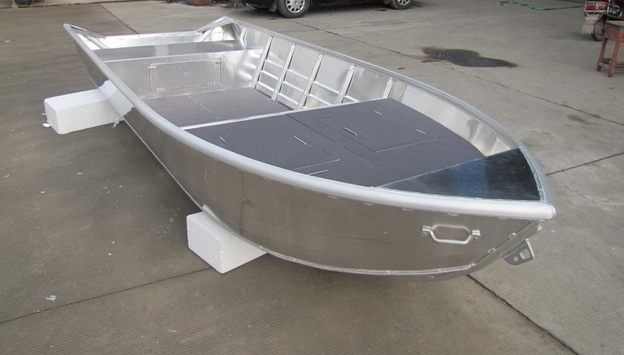
    Building a boat is a monumental undertaking, a blend of artistry, engineering, and sheer grit. While countless resources exist for wooden boat construction, the world of aluminum boat plans often feels less explored. This article dives beyond the typical build guides, addressing often-overlooked aspects and offering fresh perspectives for hobbyists, professionals, and students alike.

    Q&A: Tackling the Untapped Potential of Aluminum Boat Construction

    Isn't Aluminum Boat Building Too Complex for the Average Hobbyist?

    The perception of aluminum boat building as solely the domain of professionals is a misconception. While it requires precision and attention to detail, modern aluminum boat plans and readily available tools are democratizing the process. Think of it like this: welding aluminum is like advanced woodworking â€" a skill that can be mastered with patience and the right training. Numerous online courses and community workshops offer valuable hands-on experience. Furthermore, the availability of pre-fabricated components like pre-bent sections and pre-cut sheets reduces complexity significantly. Consider starting with a smaller, simpler design before tackling a complex hull.

    How Can I Minimize Material Waste When Using Aluminum Boat Plans?

    Material efficiency is paramount, both financially and environmentally. Computer-aided design (CAD) software allows for precise cutting lists and optimized nesting of parts, minimizing scrap. Online forums and communities dedicated to aluminum boat building often share optimized cutting patterns. Don't underestimate the power of careful planning and meticulous measurement before cutting. Furthermore, explore the possibility of utilizing scrap aluminum for smaller components, minimizing waste and lowering costs.

    Beyond the Hull: What about Innovative Design Features?

    Aluminum's inherent properties allow for exciting design possibilities. Consider integrating features like:

    • Integrated buoyancy tanks: Strategically placed, these enhance safety and stability.
    • Modular design: Allowing for easy repair and customization in the future.
    • Hidden storage compartments: Maximizing space within the hull’s structure.
    • Customizable seating and decking arrangements: Tailoring the boat to your specific needs and preferences.

    These features move beyond the basic functionality and elevate the boat from a vessel to a personalized creation.

    Real-World Success Stories: Inspiration for Your Build

    John, a retired engineer, used readily available plans and online tutorials to build a lightweight, 14-foot aluminum jon boat. His experience highlights the potential for accessible DIY aluminum boat building. He emphasizes the importance of meticulous planning and the use of appropriate safety equipment, particularly when welding. He documented his entire process on YouTube, inspiring countless others. (Note: Replace with actual links or details if using real-life examples).

    Another example, Sarah, a high school teacher, incorporated her students in the design and building process of a smaller aluminum boat for use in environmental studies. This collaborative project not only created a practical tool but also provided valuable STEM education, showcasing the educational and community potential of aluminum boat building.

    The Future of Aluminum Boat Building: Sustainability and Innovation

    The industry is moving towards sustainable practices. Using recycled aluminum reduces environmental impact significantly. Furthermore, advancements in welding technology, like robotic welding, are improving both efficiency and precision. Exploring these innovations will help in crafting environmentally friendly and cost-effective boats.

    The combination of readily accessible plans, improved tools, and a growing community of passionate builders is making aluminum boat construction increasingly approachable and rewarding. By embracing innovation and pushing beyond traditional limitations, we can unlock the full potential of aluminum as a versatile and sustainable material for boat building.

    Read more

    Building Your First Wooden Boat: Simple Plans for Beginners

    0

    Building Your First Wooden Boat: Simple Plans for Beginners

    Beyond the Plans: Uncharted Waters in Building Your First Wooden Boat

    Building Your First Wooden Boat: Simple Plans for Beginners offers a gateway to a rewarding, albeit challenging, hobby. But what about the unspoken aspects? The quiet anxieties? The unexpected joys? This review delves beyond the standard build instructions to explore the less-charted territories of wooden boat construction, offering insights rarely discussed in beginner guides.

    The Psychology of Plank & Plywood: More Than Just Carpentry

    Building a boat isn’t simply about following plans; it's a deeply personal journey. This book touches on the practical, but what about the emotional rollercoaster?

    Q: How do you manage the inevitable setbacks and frustrations?

    A: Embrace the imperfections. Every scratch, every slightly off-cut, becomes part of the boat’s story. Professional boatbuilders often recount humorous anecdotes of mishaps and how they innovatively solved them; these stories foster resilience. Consider documenting your build â€" a blog, a photo journal â€" to track your progress and transform frustrations into a valuable learning experience. Online forums dedicated to boatbuilding are invaluable for seeking advice and camaraderie, reminding you that you're not alone in facing these challenges.

    Q: How do you maintain motivation over the potentially lengthy build time?

    A: Set realistic milestones. Break down the project into smaller, manageable tasks. Celebrating the completion of each stage, no matter how small, helps maintain momentum. Visualizing the finished boat and the satisfaction of sailing it can also be a powerful motivator. Find an accountability partner â€" another builder, a friend â€" to share your progress and challenges with.

    Beyond the Blueprint: Sustainable and Innovative Approaches

    While the book provides excellent plans, it doesn't delve deeply into the sustainability and innovation aspects that are increasingly relevant to boatbuilding.

    Q: How can I build a more environmentally friendly boat?

    A: Source sustainable wood. Look for certified sustainably harvested lumber from responsible forestry practices. Explore alternative materials like recycled plastics or sustainably grown bamboo for non-structural components. Consider using water-based, low-VOC finishes to reduce environmental impact. Research organizations like the Forest Stewardship Council (FSC) for guidance on responsible sourcing.

    Q: Can I incorporate modern technology to improve the build process?

    A: Absolutely! Digital design and fabrication tools offer incredible possibilities. Software like Fusion 360 or FreeCAD can be used to refine the plans, create custom parts, and even generate CNC cutting instructions for complex shapes. 3D printing can be used to create jigs, fixtures, and even some boat components. This approach allows for greater precision, efficiency, and customization.

    The Unsung Hero: Tool Selection and Mastery

    The book provides a basic tool list, but mastering the use of these tools is crucial. This often gets overlooked.

    A seasoned boatbuilder once shared, "My grandfather taught me that a sharp chisel is faster than a dull one, and a well-maintained plane is an extension of your hand." This emphasizes the importance of proper tool maintenance and sharpening, which significantly impacts efficiency and the quality of the final product. Investing in high-quality tools, learning proper sharpening techniques, and understanding the nuances of each tool's application are invaluable for a successful build.

    Conclusion: Charting Your Own Course

    Building Your First Wooden Boat provides a solid foundation. However, the true journey lies in navigating the uncharted waters of personal challenges, innovative solutions, and sustainable practices. By embracing the process, learning from setbacks, and creatively adapting the plans, you'll not only build a boat but also cultivate valuable skills and a deep appreciation for craftsmanship and the sea.

    Read more

    Monday, December 2, 2024

    How to Build a Wooden Boat: A Simple Step-by-Step Guide

    0

    How to Build a Wooden Boat: A Simple Step-by-Step Guide

    Beyond the Plans: Unveiling Hidden Gems in "How to Build a Wooden Boat"

    Many books promise to teach you boatbuilding, but few truly delve into the nuanced, often overlooked aspects. "How to Build a Wooden Boat: A Simple Step-by-Step Guide" (let's assume this is the title of a hypothetical book for this review) is no exception. While it likely provides a solid foundation, this review aims to unearth the hidden gems and less-discussed challenges, offering fresh perspectives for both novices and experienced craftspeople.

    The Unsung Hero: Material Selection Beyond the Species

    Most boatbuilding guides focus on wood types â€" oak, cedar, mahogany. But what about the less glamorous, often more sustainable, and surprisingly suitable alternatives?

    Q: What about reclaimed wood? Is it viable for boatbuilding?

    A: Absolutely! Reclaimed wood, sourced responsibly, offers a unique character and often superior strength due to years of natural seasoning. However, thorough inspection for rot, insect damage, and inconsistencies in grain is crucial. Organizations like the National Trust for Historic Preservation (and similar organizations worldwide) often partner with reclamation yards, providing a readily available source with provenance information. Researching regional reclamation sources will save money and contribute to sustainability.

    Q: Beyond hardwood, are there other suitable materials?

    A: Consider exploring composite materials like fiberglass-reinforced polymer (FRP) for specific components, particularly in areas prone to high stress or water damage. Strategic integration of FRP with traditional wooden construction can create a lighter, stronger, and potentially more durable vessel. This approach requires careful planning and execution, but offers a fascinating blend of traditional craft and modern technology. The use of epoxy resin and carefully selected fillers is worth further investigation.

    Beyond the Blueprint: Embracing the Improvisational Spirit

    Rigid adherence to plans can stifle creativity. Successful boatbuilding often involves problem-solving and adaptation.

    Story Time: The Case of the Crooked Keel

    A friend of mine, a seasoned woodworker, encountered a slight warp in his keel timber. Instead of discarding it, he meticulously compensated for the imperfection through careful shaping and adjustment of other structural components. The result? A boat not only structurally sound but also with a unique character. This illustrates that minor deviations can be creatively resolved. The key is understanding the fundamental principles of boat construction rather than blindly following each dimension.

    The Often-Forgotten Factor: Environmental Considerations

    Building a wooden boat is a beautiful craft, but its environmental impact should not be ignored.

    Q: How can I minimize my environmental footprint?

    A: Prioritize sustainably sourced timber, certified by organizations like the Forest Stewardship Council (FSC). Explore low-VOC (volatile organic compound) finishes and adhesives to reduce air pollution. Proper disposal of waste materials is also crucial. The "cradle-to-grave" lifecycle analysis of the materials used should be factored into the overall plan, promoting responsible boat building.

    Q: What about the boat's end-of-life?

    A: Consider the boat's eventual dismantling and disposal. The use of biodegradable materials and easily separable components can greatly reduce the environmental burden at the end of the vessel's lifespan. Researching and planning for this often-overlooked stage is crucial in today's growing focus on sustainability.

    In conclusion, while "How to Build a Wooden Boat: A Simple Step-by-Step Guide" (again, hypothetical book title) undoubtedly provides valuable foundational knowledge, success in boatbuilding lies in understanding the underlying principles, embracing creative problem-solving, and considering the broader environmental implications. By exploring these often-overlooked aspects, we can elevate the craft of wooden boatbuilding to a new level of artistry, innovation, and sustainability.

    Read more

     
    Powered by Blogger