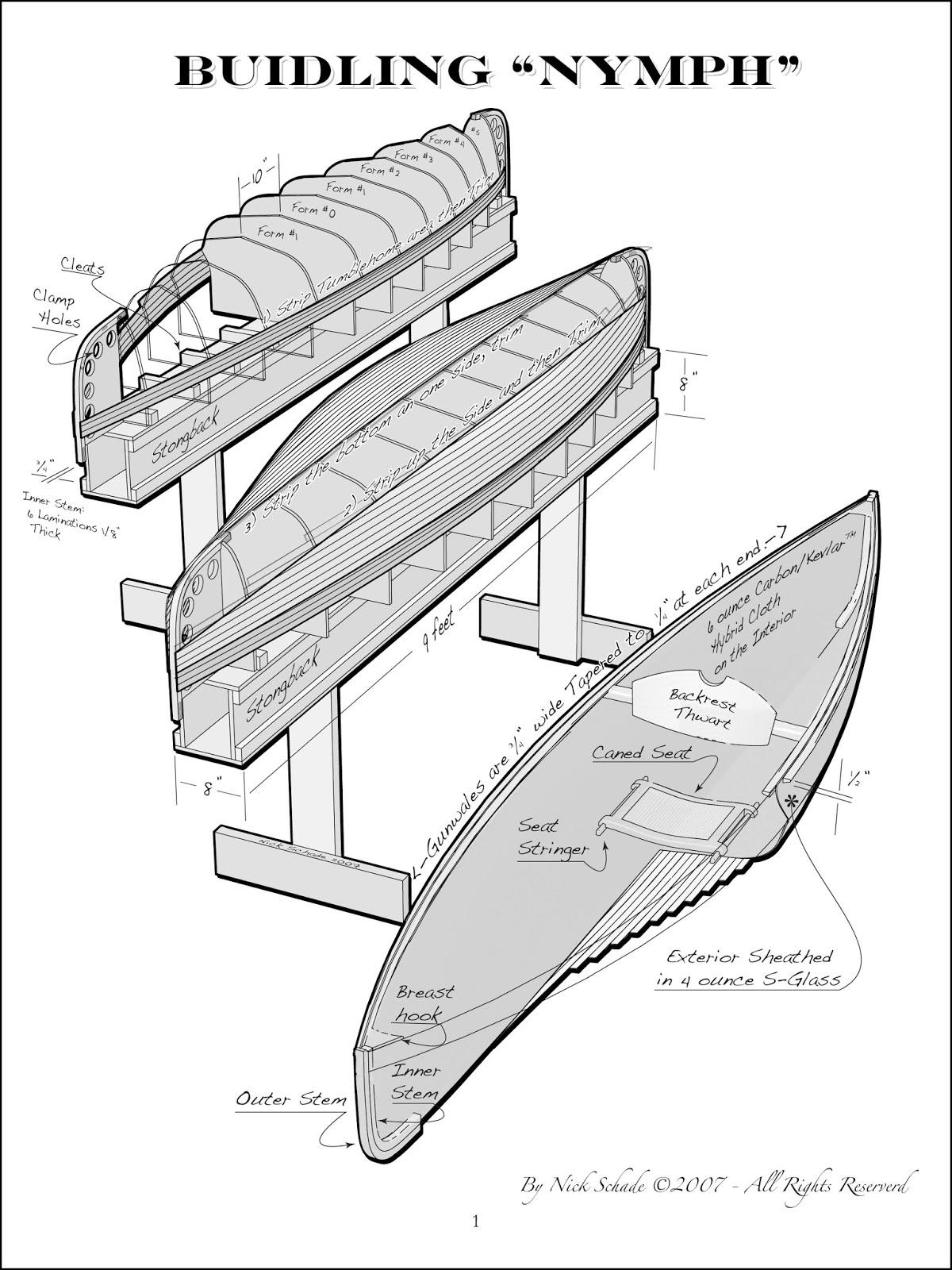
Free Plans for Building a Lightweight Wooden Canoe: A Guide to Construction
Constructing a wooden canoe is a rewarding and enjoyable project that allows you to connect with traditional boatbuilding techniques and create a beautiful and functional watercraft. While many plans are available for purchase, there are also several excellent free resources that provide detailed instructions for building lightweight canoes. This article will explore some of these free plan options, covering various designs, construction methods, and resources to help you get started on your canoe-building journey.
Choosing a Canoe Design
Before diving into the plans, it's important to consider the type of canoe you want to build. Different designs are suited for various uses and paddlers, so selecting the right one is crucial. Here are some factors to consider:
- Length: Longer canoes offer greater stability and speed, while shorter canoes are more maneuverable.
- Width: A wider beam provides more stability, while a narrower beam is faster and easier to paddle.
- Material: Different wood species have varying weights and strength properties, influencing the canoe's overall weight and durability.
- Construction method: Several construction methods are available, each offering unique advantages and complexities.
- Intended use: Consider how you plan to use the canoe, such as recreational paddling, fishing, or touring.
Free Plan Resources
Once you've chosen your design, you can begin exploring free plan resources. Here are a few reputable sources:
The WoodenBoat Magazine Online Plan Library
WoodenBoat magazine, a renowned publication for boatbuilding enthusiasts, offers a free online plan library with several classic and modern canoe designs. These plans provide detailed drawings, instructions, and materials lists. The library features designs from various builders, including traditional designs like the Peterborough Canoe and more contemporary offerings. You can access the plans directly through the website, or you can search for them on their website. The library is a great resource for those looking for time-tested designs and comprehensive instructions.
The Chesapeake Light Craft (CLC) Free Canoe Plans
Chesapeake Light Craft (CLC) is a well-established boatbuilding company that provides excellent resources for both beginners and experienced builders. They offer a few free canoe plans, including the "Solo" canoe, designed for solo paddling. Their plans are known for their clarity, detailed instructions, and comprehensive materials lists. CLC also offers a wide range of boatbuilding kits and supplies, which can be helpful for sourcing materials.
The Amateur Boatbuilding Association (ABA)
The Amateur Boatbuilding Association (ABA) is a non-profit organization dedicated to supporting amateur boatbuilders. They have a website with a wealth of information on boatbuilding, including free plans for various boat types, including canoes. The ABA's plans are often sourced from experienced builders and are known for their accuracy and detail. They also offer online forums and support groups where builders can connect with others and seek guidance.
The U.S. Forest Service's "Building a Wooden Canoe" Booklet
The U.S. Forest Service has published a free booklet titled "Building a Wooden Canoe." This booklet provides step-by-step instructions for building a simple, traditional canoe using basic tools and materials. It's a great option for those who prefer a more straightforward approach and want to build a canoe from readily available materials. The booklet is available online and through some forest service offices.
Construction Methods
Free canoe plans often utilize various construction methods. Some common methods include:
Strip-Planking
Strip-planking is a popular method for building lightweight canoes. This method involves gluing and fastening thin strips of wood to a frame to create the hull. This technique offers flexibility and allows for precise shaping. Strip-planked canoes are often characterized by their smooth, flowing lines.
Canvas-Covered Frame
The canvas-covered frame method uses a lightweight frame of wood that is covered with a layer of canvas. This method is known for its simplicity and affordability. The canvas is stretched tightly over the frame and treated with epoxy resin to create a watertight hull. Canvas-covered canoes are typically more durable than traditional wooden canoes and offer a classic, traditional look.
Plank-on-Frame
The plank-on-frame method involves constructing a frame of wood and then attaching planks to the frame to create the hull. This method is more complex than strip-planking but offers increased strength and durability. Plank-on-frame canoes are often built with thicker planks and can withstand more demanding use.
Materials and Tools
The specific materials and tools required for building a canoe will depend on the chosen design and construction method. However, some common materials include:
- Wood: Cedar, spruce, and pine are popular choices for canoe building, as they are lightweight and durable.
- Epoxy resin: Epoxy resin is used to bond the wood and seal the hull.
- Canvas: Canvas is used for covering the frame in canvas-covered canoes.
- Fasteners: Copper or brass fasteners are commonly used for assembling the canoe.
Regarding tools, you'll need a variety of woodworking tools, including:
- Saw: A hand saw or a power saw is necessary for cutting wood.
- Plane: A plane is used to smooth and shape the wood.
- Chisels: Chisels are used for carving and shaping the wood.
- Sandpaper: Sandpaper is used to smooth the surfaces of the canoe.
- Clamps: Clamps are used to hold the wood pieces together while they glue.
Building Your Canoe: A Step-by-Step Guide
Building a canoe is a challenging but rewarding project. Following these steps will ensure a successful construction process:
Step 1: Review the Plans
Before beginning construction, carefully review the plans and understand each step. Familiarize yourself with the materials, tools, and techniques required for each stage of the process. Don't hesitate to consult the plan creator if you have any questions.
Step 2: Prepare the Materials
Gather all necessary materials, including wood, epoxy resin, canvas, fasteners, and tools. Inspect the wood for any defects and cut it to the required dimensions. Prepare the wood by sanding or planing it as needed.
Step 3: Build the Frame
Construct the frame according to the plan specifications. Use accurate measurements and ensure all joints are tight and secure. Carefully glue and fasten the frame components together. Ensure the frame is level and symmetrical.
Step 4: Apply the Planking or Canvas
Whether applying planking or canvas, follow the plan instructions carefully. Ensure the planking is properly shaped and securely attached to the frame. If using canvas, make sure it's stretched tightly over the frame and properly treated with epoxy resin.
Step 5: Finish the Hull
Once the hull is assembled, sand it smooth and apply any necessary finishing touches. Use epoxy resin to seal and protect the hull. Consider adding additional coats of varnish or paint for extra durability and a beautiful aesthetic.
Step 6: Install the Outfitting
Install any necessary outfitting, such as seats, thwarts, and gunwales. Ensure the outfitting is securely fastened to the hull. Double-check all work before taking the canoe to the water.
Step 7: Launch and Enjoy
Once your canoe is complete, take it to the water and enjoy your hard work. Start with a test paddle in calm waters, gradually increasing the distance and conditions as you gain experience. Regularly inspect the canoe for any wear and tear and make necessary repairs as needed.
Safety Precautions
Building a canoe can be a rewarding experience, but it's important to prioritize safety during the construction process. Always use appropriate safety gear, such as eye protection, ear protection, and gloves. Be aware of the risks associated with working with power tools and sharp objects. If you are not comfortable working with certain tools or techniques, consult with a more experienced builder for guidance.
In conclusion, building a wooden canoe is a challenging but rewarding project that combines traditional skills, modern materials, and a deep appreciation for nature. Many free plan resources are available, offering various designs and construction methods for builders of all skill levels. By carefully following the instructions and prioritizing safety, you can build a beautiful and functional canoe that will provide many years of enjoyment on the water.

0 comments:
Post a Comment