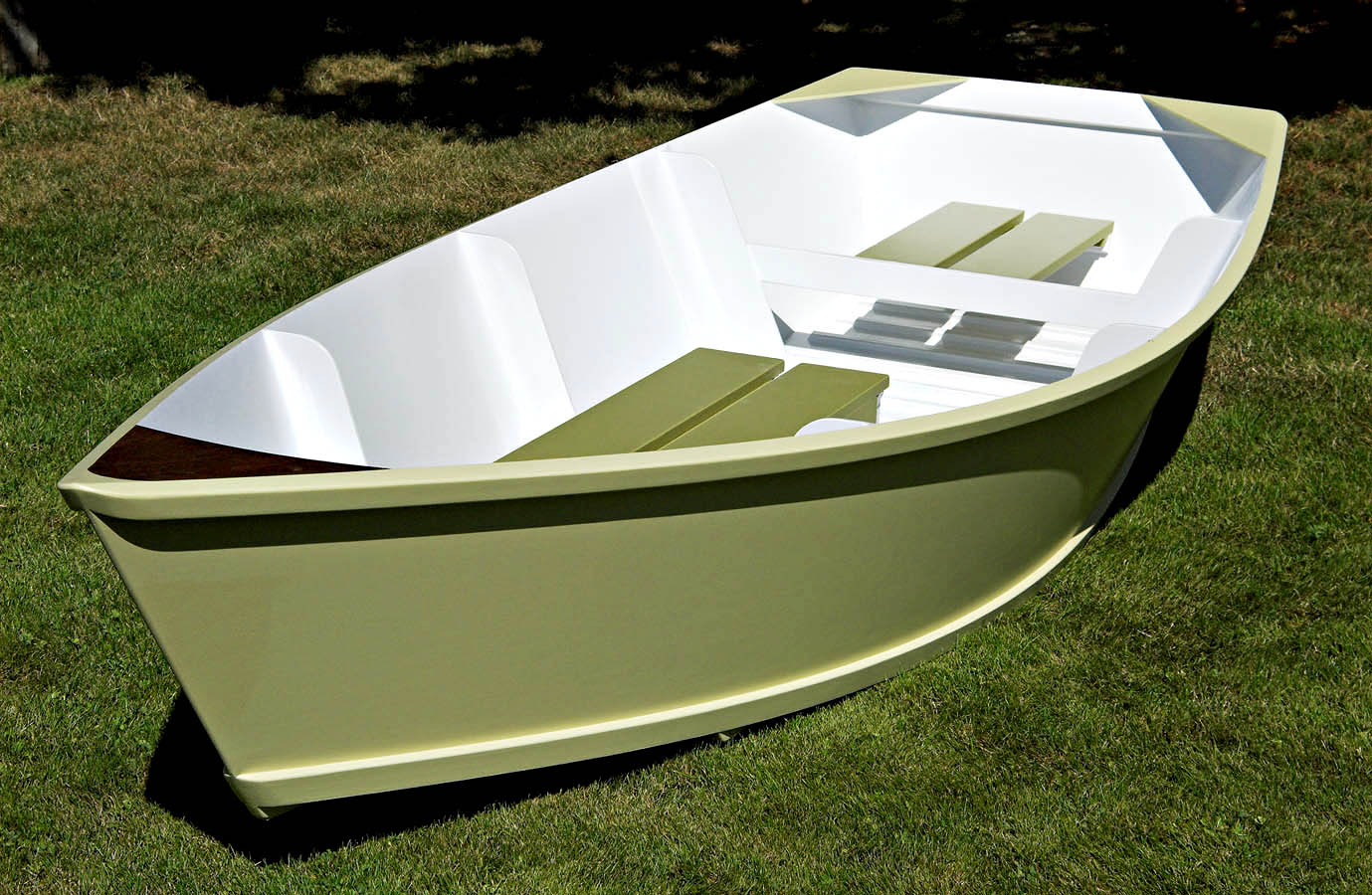
Building Your Own Wooden Skiff: A Step-by-Step Guide
Hey there, fellow boat enthusiast! Ever dreamed of crafting your own vessel from scratch? Well, let me tell you, building a wooden skiff is a rewarding, if sometimes challenging, journey. It's a journey where you'll learn the art of woodworking, get intimate with the grain of the wood, and ultimately build a boat that's uniquely yours.Why Build a Wooden Skiff?
Wooden skiffs, with their graceful lines and classic charm, hold a special place in the hearts of many. They're known for their durability, responsiveness, and inherent beauty. Whether you plan to use it for fishing, exploring tranquil waterways, or simply enjoying a leisurely paddle, building a skiff offers a unique blend of craftsmanship and connection to the water.
Choosing the Right Skiff Design
Before diving into the build, you need to choose a design that fits your needs and skill level. There are plenty of free skiff plans available online or through books, offering various lengths, widths, and features.
Here's a quick checklist to guide your decision:
- Length and width: How many people will you be carrying? What kind of waters will you be navigating? Consider the size and draft of the skiff.
- Type of construction: Will it be carvel, lapstrake, or strip-built? Each method has its own level of difficulty and aesthetic appeal.
- Features: Do you need a transom, a centerboard, or oars? These features influence the design and construction.
- Your skills and experience: Honestly assess your woodworking skills and choose a design that matches your capabilities.
Gathering Your Materials
Now, let's talk about the heart of the project: the materials. You'll need a range of materials for building your wooden skiff:
- Wood: Choose a durable and rot-resistant wood like cedar, mahogany, or oak. The type and grade of wood will impact its cost and workability.
- Marine plywood: This sturdy plywood is essential for the hull's core and other structural components.
- Epoxy resin and hardener: These will glue the pieces together and provide a waterproof, durable finish.
- Fasteners: You'll need screws, nails, and epoxy-friendly bolts.
- Tools: Equip yourself with the essential tools for woodworking, including saws, planes, chisels, and a router.
- Finishing materials: This includes sanding supplies, varnish, and paint to protect and beautify your skiff.
Step-by-Step Construction Process
Here's a detailed guide on how to build your wooden skiff:
1. Preparing the Plans
Before you start cutting wood, carefully study the plans and ensure you understand every detail. You can enlarge the plans to full size using a projector or by meticulously marking the dimensions on your plywood sheets.
2. Cutting the Wood
This is where precision and accuracy are crucial. Use a saw that provides clean cuts and follow the plans meticulously. You can use a table saw, a jigsaw, or a hand saw, depending on your setup and the wood you're cutting.
3. Building the Frames
The frames give your skiff its shape and strength. These are typically made of wood strips or laminated wood. Make sure you use the correct angle and dimensions for each frame and attach them to the plywood sheets according to the plans.
4. Assembling the Hull
This is where you'll start seeing your skiff take shape. Glue and fasten the planking (the wood that covers the hull) to the frames. The planking can be carvel (flush), lapstrake (overlapping planks), or strip-built (narrow strips).
5. Adding Interior Supports
The interior supports, like thwarts (seats) and stringers (longitudinal supports), provide additional strength and stability. Install these according to the plans, paying attention to alignment and spacing.
6. Building the Deck
If your skiff has a deck, it's time to build it. The deck is typically made of marine plywood and attached to the hull using epoxy and fasteners.
7. Installing the Transom
The transom is the back of the skiff, where the motor or oars will be mounted. Ensure it's securely attached to the hull using epoxy and strong fasteners.
8. Finishing Touches
Now comes the rewarding part: sanding, fairing, and finishing your skiff. Sand the hull and deck thoroughly to achieve a smooth, even surface. Then, apply several coats of epoxy resin and hardener to seal the wood.
9. Applying the Finish
You can choose a variety of finishes, including varnish, paint, or oil, depending on your desired look and protection level. Apply the finish according to the manufacturer's instructions, ensuring even coats.
10. Launching Your Skiff
After your skiff has dried completely, it's time for the big moment â€" launching! Take it out for a test run and enjoy the fruits of your labor. Don't forget to wear a life jacket, and be sure to check the weather conditions before heading out.
Commonly Asked Questions
1. How much does it cost to build a wooden skiff?
The cost varies depending on the size, materials, and complexity of the design. You can expect to spend anywhere from $500 to $5,000 or more.
2. How long does it take to build a wooden skiff?
The construction time also varies. Depending on your skill level and the complexity of the build, it could take several weeks to several months.
3. What are the safety considerations?
Building a boat requires working with sharp tools and potentially dangerous materials. Always prioritize safety and wear appropriate gear, including eye protection, gloves, and a respirator when working with epoxy.
4. What if I don't have a lot of woodworking experience?
Don't let lack of experience deter you. Start with a simpler design and take your time learning the process. There are many resources and tutorials available to guide you along the way. And remember, building a boat is a journey of learning and growth.
Building a wooden skiff from scratch is a challenging but immensely satisfying endeavor. It combines woodworking skills, creativity, and the joy of creating something truly unique. So, grab your tools, get your hands dirty, and embark on this remarkable adventure! Who knows, you might even discover a hidden passion for boatbuilding along the way.

0 comments:
Post a Comment