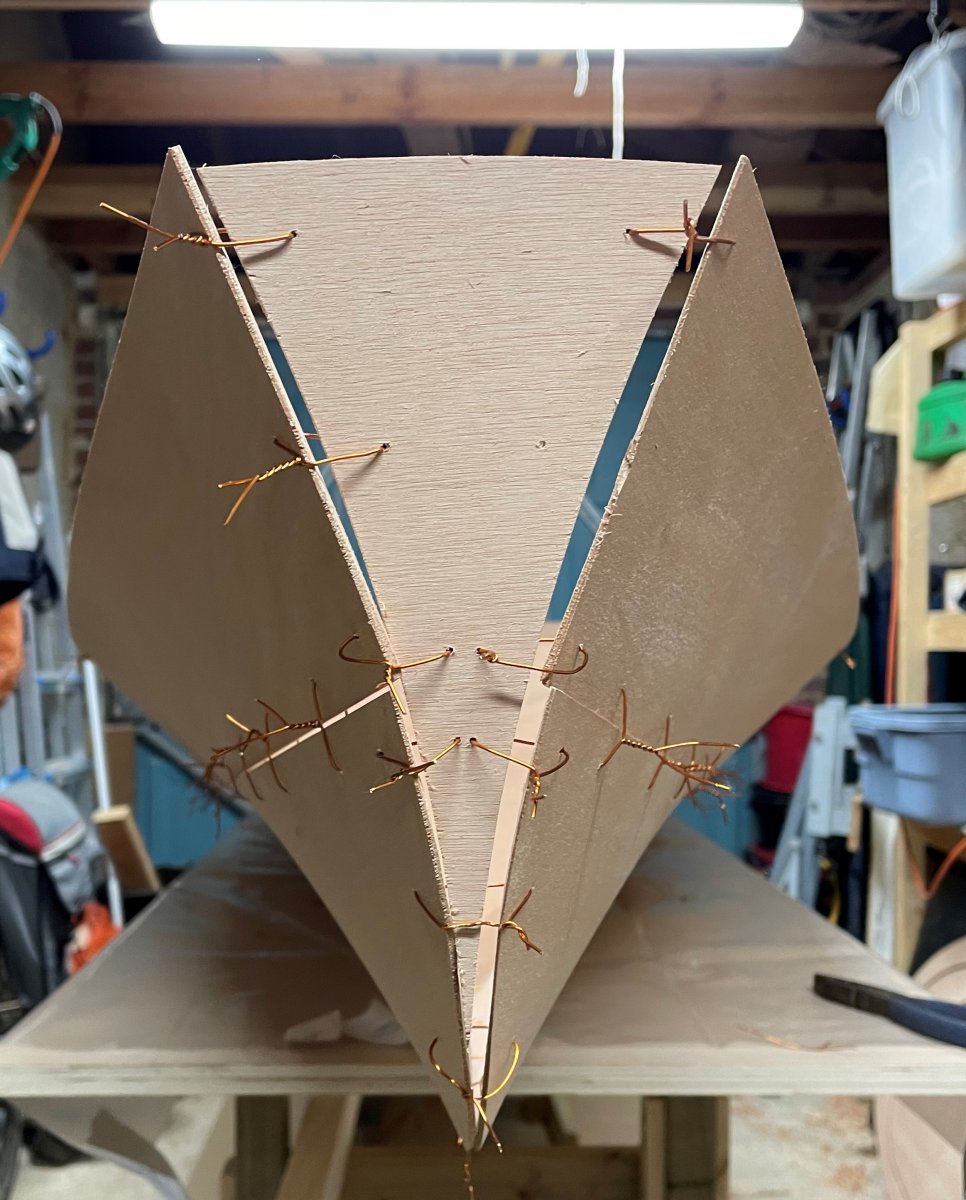
Construction of a Hybrid Duck Boat for Smooth and Silent Operation
This document outlines the design and construction of a hybrid duck boat, prioritizing smooth and silent operation. The design incorporates elements of both traditional duck boats and advanced hybrid propulsion systems to achieve optimal performance in diverse aquatic environments. The focus will be on minimizing noise and vibration while maintaining maneuverability and stability. This detailed guide covers material selection, propulsion system integration, hull design, and noise mitigation strategies.
Hull Design and Construction
The hull design is crucial for achieving both stability and quiet operation. A displacement hull, rather than a planing hull, is preferred for minimizing wake and noise generation at lower speeds. This approach is particularly suitable for the stealthy operation often required for waterfowl hunting or wildlife observation.
Material Selection
The choice of materials directly impacts the boat's weight, durability, and noise-dampening properties. Aluminum offers a good balance of strength-to-weight ratio and cost-effectiveness. However, aluminum's inherent tendency to resonate can be mitigated through strategic stiffening and damping techniques. Fiberglass reinforced polymer (FRP) provides excellent vibration damping but is more labor-intensive to work with and can be more expensive. A composite approach, utilizing aluminum for structural elements and FRP for noise-dampening panels, offers a potential compromise.
Hull Shape and Form
The hull should incorporate a broad, shallow draft design to ensure stability in shallow waters, a key characteristic of duck boats. A rounded bilge will reduce the impact of waves and minimize spray. The bow should be gently curved to allow for smooth entry into waves, further reducing noise and vibration. The stern should be designed to efficiently channel the outflow from the propulsion system, minimizing turbulence and noise.
Structural Stiffening and Damping
To minimize unwanted vibrations, the hull structure requires careful stiffening. This can be achieved through the use of strategically placed longitudinal and transverse stringers and bulkheads. Furthermore, vibration damping materials, such as closed-cell foam or viscoelastic polymers, can be integrated into the hull structure to absorb vibrations originating from the engine and propeller. These materials can be incorporated into composite layers or applied as coatings to interior surfaces.
Hybrid Propulsion System
The core of the silent operation lies in the choice of propulsion. A hybrid system combining an electric motor with a small, high-efficiency internal combustion engine (ICE) offers a balance of power, range, and quiet operation.
Electric Motor Selection
A high-torque, brushless DC electric motor is ideal. These motors offer high efficiency and quiet operation, essential for minimizing noise. The motor's power should be sufficient for maneuvering and propulsion at low speeds, relying primarily on the electric motor for silent operation. Battery technology will dictate the operational range of the electric-only mode. Lithium-ion batteries provide a high energy density and relatively long lifespan.
Internal Combustion Engine (ICE) Selection
The ICE serves as a range extender and recharging source for the electric motor. A small, fuel-efficient engine, such as a diesel or propane engine, will minimize fuel consumption and noise. Careful engine mounting and vibration isolation are crucial to minimize noise transmission to the hull. Engine enclosures lined with sound-absorbing materials are highly recommended.
Hybrid System Integration
The electric motor and ICE need to be seamlessly integrated. This involves a sophisticated power management system that regulates power flow between the battery, electric motor, and ICE. The system should prioritize electric-only operation at low speeds and smoothly transition to ICE assistance or direct ICE propulsion at higher speeds or during extended use. A sophisticated battery management system (BMS) is essential for monitoring battery voltage, current, and temperature to ensure safe and efficient operation.
Noise Mitigation Strategies
Beyond the hull and propulsion system design, additional noise mitigation strategies are crucial. These measures aim to reduce both airborne and structure-borne noise.
Sound Absorption and Isolation
Sound-absorbing materials should be incorporated throughout the boat's interior. These materials can be applied to bulkheads, walls, and the underside of the deck. Materials such as acoustic foam, fiberglass insulation, and constrained layer damping can significantly reduce noise levels. The engine compartment should be completely isolated from the main cabin using sound-dampening materials and construction techniques.
Propeller Design
The propeller design significantly impacts noise generation. A propeller with a large diameter and relatively low pitch will reduce cavitation noise. The material of the propeller (e.g., a composite material) could also affect noise. Furthermore, careful propeller placement and alignment are important to minimize turbulence and noise generation.
Additional Noise Reduction Techniques
Testing and Refinement
Thorough testing is vital to ensure the effectiveness of the noise mitigation strategies. This involves both on-water testing in various conditions and potentially using specialized acoustic measurement equipment to quantify noise levels. Based on the testing results, design modifications may be needed to further optimize the boat’s quiet operation.
The construction of a hybrid duck boat for smooth and silent operation demands a multidisciplinary approach encompassing naval architecture, mechanical engineering, and materials science. Careful consideration of hull design, propulsion system integration, and noise mitigation strategies is essential to achieve the desired outcome. The resulting vessel will offer a unique combination of quiet operation, maneuverability, and stability, making it ideal for a variety of applications requiring stealth and efficiency in aquatic environments.

0 comments:
Post a Comment