DIY Duck Boat: Choosing Materials for Comfort, Safety, and Stability
So, you're thinking about building your own duck boat? That's awesome! Building a duck boat is a rewarding project that can save you a lot of money, and give you a boat that's perfectly tailored to your hunting needs. But choosing the right materials is crucial for a comfortable, safe, and stable hunting experience. Let's dive into the details, and I'll break down everything you need to know!
Hull Materials: The Foundation of Your Duck Boat
The hull is the heart of your duck boat, so choosing the right material is a big deal. You'll want to consider both durability and weight, as a sturdy but heavy hull will be tougher to maneuver, and a lightweight but fragile hull might not last long in the rough conditions of duck hunting.
Aluminum: Strong, Durable, and Lightweight
Aluminum is a popular choice for duck boats because it's tough, rust-resistant, and relatively lightweight. It can handle the bumps and scrapes of the marsh, and you can easily repair minor dents. Aluminum boats are typically more expensive than other options, but their durability and longevity make them a worthwhile investment.
Fiberglass: Sleek, Strong, and Affordable
Fiberglass is known for its smooth, water-resistant finish, making it a good choice if you want a sleek-looking boat. It's also relatively lightweight, making it easy to maneuver. Fiberglass boats are more affordable than aluminum, but they're more prone to cracking and can be more challenging to repair. Consider adding a layer of Kevlar or other reinforcement material for extra durability.
Polyethylene: The Budget-Friendly Choice
Polyethylene is a durable, lightweight, and budget-friendly material that's commonly used for duck boats. It's known for its resistance to impact and chemicals, making it a good choice for rough conditions. Polyethylene boats are generally less expensive than aluminum or fiberglass, and they're easier to repair, making them a popular choice for beginners. However, polyethylene is not as strong as aluminum or fiberglass, and it can become brittle in cold temperatures.
Deck Materials: Creating a Comfortable and Functional Workspace
The deck of your duck boat is where you'll be spending most of your time, so it's important to choose a material that provides both comfort and functionality.
Marine Plywood: A Classic Choice
Marine plywood is a durable and waterproof material that's ideal for decks and seating. It's strong, stable, and can withstand moisture and temperature changes. Marine plywood can be painted or stained to match your boat's design, making it a versatile choice for customization.
Pressure-Treated Lumber: An Affordable Option
Pressure-treated lumber is a budget-friendly alternative to marine plywood. It's naturally resistant to rot and decay, making it a good choice for exposed areas. However, it can be heavier than plywood, and it may not be as durable in high-traffic areas.
Aluminum or Fiberglass: Seamless and Lightweight
For a sleek and streamlined look, consider using aluminum or fiberglass for your deck. These materials are lightweight, easy to clean, and resistant to corrosion. However, they can be more expensive than other options, and they may not be as comfortable for sitting or standing for long periods.
Seating: Comfort for Long Days on the Water
You'll be spending hours on the water, so comfortable seating is a must. Choose materials that provide both support and warmth, and consider adding features like backrests and armrests.
Foam: Durable and Affordable
Foam is a budget-friendly and comfortable seating option that can be easily customized to fit your boat. It's lightweight, durable, and readily available. You can use foam to create cushions, seatbacks, and even floor padding.
Marine Vinyl: Water-Resistant and Easy to Clean
Marine vinyl is a durable and waterproof material that's ideal for boat seating. It's resistant to tears, abrasion, and UV damage, making it a good choice for exposed areas. Marine vinyl is easy to clean and comes in a variety of colors and patterns.
Wooden Seats: Classic and Durable
Wooden seats add a classic touch to your duck boat and are known for their durability. They're often more expensive than foam or vinyl seats, but they can last for many years with proper care.
Accessories: Enhancing Your Duck Boat Experience
Duck boat accessories can make all the difference in your hunting success. Consider these essential items:
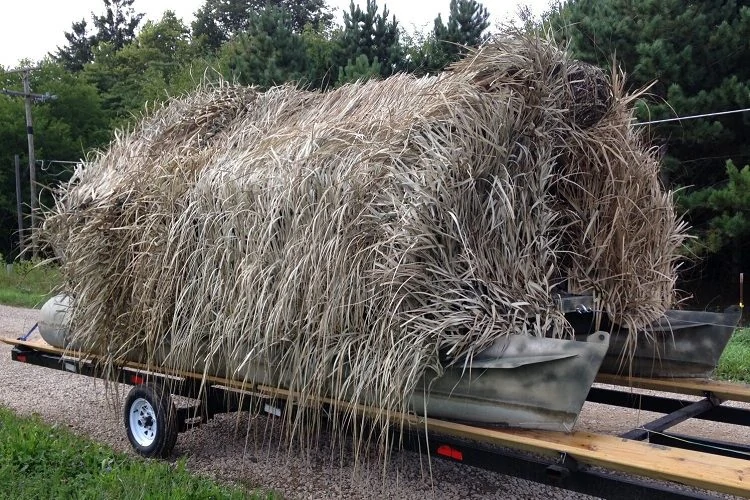
- Blind: Provides concealment for your hunting setup.
- Motor: Allows you to navigate quickly and efficiently.
- Duck Decoys: Attract ducks to your hunting location.
- Rod Holders: Securely hold your fishing rods.
- Storage Boxes: Organize your gear and keep it dry.
- Life Jackets: Essential for safety on the water.
Commonly Asked Questions
Here are some common questions about choosing materials for a duck boat:
How do I choose the right hull material?
Consider your budget, hunting style, and the conditions you'll be hunting in. Aluminum is durable and lightweight but more expensive. Fiberglass is sleek and affordable but less durable. Polyethylene is budget-friendly but not as strong as other options.
What are the best materials for a comfortable deck?
Marine plywood is a classic choice for its durability and water resistance. Pressure-treated lumber is a budget-friendly option, while aluminum or fiberglass offer a sleek and streamlined look.
How do I choose the right seating materials?
Foam is budget-friendly and comfortable. Marine vinyl is durable and easy to clean. Wooden seats are classic and durable but more expensive.
What are some essential duck boat accessories?
Blind, motor, duck decoys, rod holders, storage boxes, and life jackets are essential accessories for a successful duck hunting experience.
Building a duck boat can be a challenging but rewarding project. By carefully considering your needs and choosing the right materials, you can create a boat that's both functional and enjoyable to use. Remember to always prioritize safety and make sure your boat is properly equipped with the necessary accessories.

0 comments:
Post a Comment