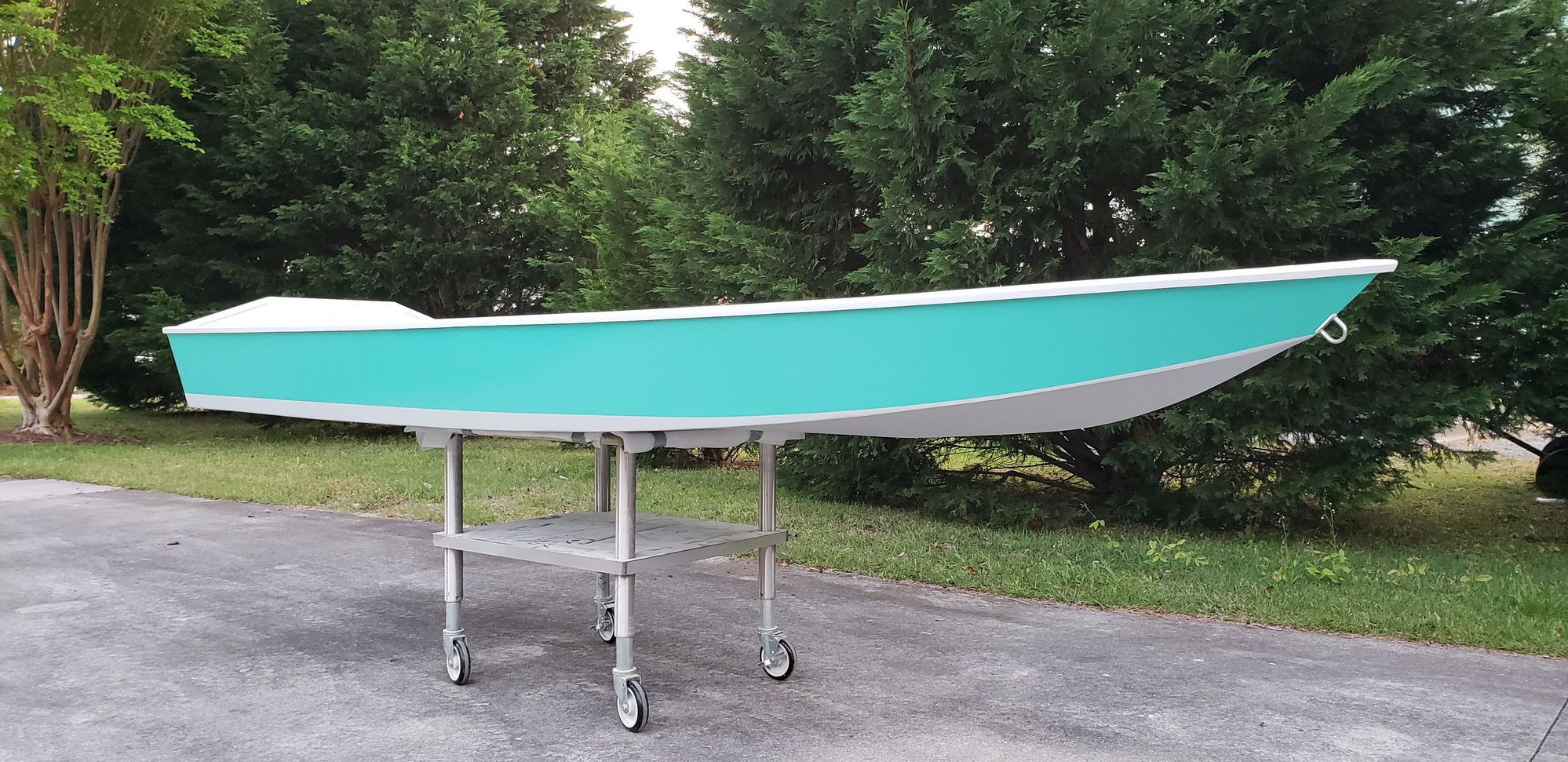
Building Your Own Skiff: A DIY Guide to Nautical Freedom
Dreaming of cruising tranquil waters in your very own handcrafted vessel? Building a skiff from scratch is a rewarding and empowering journey that allows you to create a boat perfectly tailored to your needs. This guide will walk you through the entire construction process, empowering you to bring your skiff dreams to life.
Choosing Your Skiff Design
The first step is to choose a design that aligns with your intended use and skill level. Skiff designs vary greatly, from simple flat-bottomed models perfect for beginners to more complex designs capable of handling rougher waters. Consider factors like:
- Length and Beam: Determine the size you need for your intended use, whether it's leisurely paddling or carrying gear.
- Hull Shape: Flat-bottomed skiffs are stable and shallow-draft, while V-shaped hulls offer better performance in choppy water.
- Materials: Popular choices include plywood, fiberglass, and even aluminum. Each material comes with its own strengths and weaknesses.
Research skiff plans online, consult books, or find a local boatbuilding club for inspiration. Once you have your design, gather all the necessary materials and tools.
Essential Materials and Tools
Building a skiff requires a variety of materials and tools. Here's a comprehensive list to get you started:
- Lumber: Plywood, marine-grade lumber, or other appropriate materials according to your chosen design.
- Epoxy Resin and Hardener: For bonding and sealing wood, creating a watertight hull.
- Fiberglass Cloth: To reinforce the hull and add strength.
- Wood Screws, Nails, and Fasteners: To secure components and create a durable structure.
- Tools: Power saw, drill, sander, clamps, measuring tape, router, etc.
- Safety Equipment: Eye protection, gloves, respirator, and appropriate clothing.
Organize your workspace and ensure adequate ventilation, especially when working with epoxy resin.
Step-by-Step Construction Guide
The actual construction process will vary slightly depending on your specific design. However, the general steps remain consistent:
1. Building the Frames
Start by constructing the frames that form the backbone of your skiff. These frames will provide support for the hull and determine the overall shape of the boat.
2. Creating the Hull
Attach the plywood or other chosen material to the frames, carefully shaping and fitting the panels to create a smooth and watertight hull. Use epoxy resin and fiberglass cloth to bond and reinforce the hull.
3. Adding Deck and Transom
Construct the deck and transom, ensuring they are securely attached to the hull and frames. The deck will provide a platform for seating, while the transom will house the motor or oars.
4. Finishing Touches
Once the core structure is complete, you can add finishing touches like seats, oar locks, and a paint job to customize your skiff to your liking.
Launching and Enjoying Your Skiff
Once your skiff is built and thoroughly inspected, you're ready to launch it into the water. Take your time, get comfortable with the handling, and enjoy the freedom and satisfaction of sailing your own creation.
Building a skiff is a challenging but rewarding undertaking. It requires patience, attention to detail, and a willingness to learn. With careful planning and execution, you can create a beautiful and functional boat that will provide years of enjoyment on the water.

0 comments:
Post a Comment